Caregiver Careers That Fit Your Life: How to Find the Right Role, Right Now
ManuelMLymon,
The Caregiver Job Market Today: Demand, Roles, and Where You Fit
Across the country, the need for compassionate, reliable professionals in caregiver jobs is rising fast. An aging population, longer life expectancies, and a strong preference for aging in place are driving a steady wave of opportunities. From agency-based assignments to direct-hire families, employers are actively listing home care jobs near me, senior caregiver jobs, and part-time roles to cover everything from companionship to complex transfers. If you value human connection, practical problem-solving, and the satisfaction of making daily life easier for someone else, this job market offers options for every schedule and skill set.
Care environments are diverse. Many caregivers work in private residences through agencies or as independent contractors in private caregiver jobs. Others support residents in assisted living, memory care, or hospice settings. Schedules span short companion visits, live-in placements, 12-hour shifts, and overnights—so flexibility is a big advantage. Employers often highlight “caregiver hiring now” to fill urgent needs like hospital-to-home transitions. If you prefer variety, agency per-diem rosters can place you in different homes weekly; if you want continuity, a dedicated family placement may suit you better.
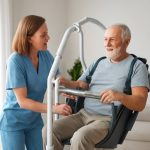
Responsibilities vary by client and credential. Non-medical caregivers focus on activities of daily living (ADLs): dressing, bathing, grooming, meal prep, and light housekeeping. They provide medication reminders, document observations, and serve as vital companions. Those in home health aide jobs may also assist with mobility, range-of-motion exercises, and use of lifts under a nurse’s supervision. Trained CNAs often take on more clinical tasks in facilities or in-home per state guidelines. Regardless of role, strong communication, punctuality, and reliability are core to success—and are often what lead to rapid schedule growth and higher pay.
Compensation depends on location, shift type, and certification. Live-in and overnight roles may include premium rates, while advanced credentials—like CNA or HHA—can widen your options and boost pay. Benefits can include health coverage (for full-time agency staff), paid training, mileage reimbursement, referral bonuses, and flexible PTO. With consistent client satisfaction and a clean attendance record, caregivers frequently move up to lead caregiver, scheduler, or care coordinator roles. The bottom line: the current market is dynamic, welcoming, and increasingly career-focused for those ready to step in.
Qualifications, Training Paths, and How to Stand Out in Applications
Excellent caregiver jobs near me typically start with core soft skills: empathy, patience, clarity in communication, and professional boundaries. Employers also value reliability—arriving on time, documenting care accurately, and escalating concerns promptly. For entry-level non-medical roles, baseline requirements often include a background check, proof of eligibility to work, references, and sometimes a physical or TB test. CPR/First Aid certification is frequently preferred and can be completed quickly through community programs.
Credentials widen your scope. Many states recognize Home Health Aide courses that cover hygiene, nutrition, mobility, and safety; this pathway can fast-track you into more complex cases and improved pay. If you’re targeting facility roles or clinical in-home support, searching CNA jobs near me is a logical move: CNA training and state certification open doors to hospitals, skilled nursing, and higher-acuity home care. Some employers will sponsor or reimburse training for high-potential candidates, especially as staffing needs continue to climb.
To make your application stand out, tailor your resume to highlight ADL experience, safe transfer techniques, dementia or Parkinson’s exposure, and any experience with hospice or end-of-life comfort care. Include practical details: shift availability, reliable transportation, and languages spoken. List equipment you’ve used—gait belts, Hoyer lifts, slide sheets—along with basic documentation tools like mobile care apps. During interviews, be ready to discuss real scenarios: preventing falls, redirecting a client with sundowning, preparing diabetic-friendly meals, or working with a home-health nurse on care plans. Clear, concrete examples reassure hiring teams that you can step in smoothly.
Job search strategy matters. Agency websites, local job boards, and community health centers are reliable sources for active listings. Many candidates combine searches for home care jobs near me, home health aide jobs, and caregiver agencies hiring to spot both entry-level and advanced roles. For curated, up-to-date caregiver job openings, specialized platforms streamline matching by role type, schedule, and location—helpful if you want more interviews with less scrolling. Keep digital profiles professional, respond to recruiters promptly, and always confirm interview addresses and shift expectations in writing. Consistency and clarity will set you apart in a crowded field.
Real-World Scenarios: Matching Roles to Your Lifestyle and Employer Needs
Consider three common profiles. First, a student balancing classes might gravitate to evening or weekend companion care. These senior caregiver jobs focus on meal prep, conversation, and light tasks, with minimal heavy lifting. If you excel at rapport-building and can document visits in a mobile app, agencies often offer predictable shifts that sync with academic schedules. Start with a non-medical role, gain strong references, and, if you’re headed toward nursing or allied health, move into HHA or CNA training to build clinical exposure without sacrificing flexibility.
Second, a parent seeking daytime income can target short weekday blocks—ideal for recurring ADL support after morning school drop-off. Many families need two- to four-hour visits for bathing, grooming, and medication reminders. Combining several clients in a small radius can create full workdays without extended commutes. Agencies appreciate caregivers who communicate availability clearly and cover occasional call-offs. If you find frequent postings labeled “caregiver hiring now,” these often point to immediate-start home discharges or respite coverage—excellent opportunities to secure consistent hours quickly.
Third, a seasoned CNA looking for autonomy might pivot from a facility to higher-paying private caregiver jobs. These placements can offer fewer residents, deeper client relationships, and more input into daily routines. You’ll want to confirm scope carefully: clarify transfer methods, equipment in the home, nurse oversight, documentation requirements, and emergency protocols. If the role extends to light wound care or catheter support, ensure alignment with your license and state rules. Negotiate pay based on acuity, shift length, and responsibilities, and don’t forget mileage or live-in board considerations.
Across all scenarios, safety and professionalism are non-negotiable. For in-home roles, conduct a first-visit safety checklist: clear walkways, secured rugs, good lighting, and a plan for safe transfers. Confirm med lists, allergies, and preferred communication channels with family or care managers. Keep notes factual—intake, output, appetite, mood changes—and escalate red flags promptly. Employers value caregivers who anticipate needs: prepping meals ahead, setting out clothing for the next morning, or coordinating with physical therapy to reinforce home exercises. These practical touches drive client satisfaction and retention, which leads to more referrals and stronger income stability.
Finally, think long-term. Many caregivers advance into scheduler, client care manager, or training roles within agencies. Others stack credentials—HHA to CNA, then specialized dementia or hospice certifications—to access more complex cases and leadership paths. Whether you lean toward stable, full-time assignments or prefer the variety of per-diem shifts, the market for caregiver jobs rewards reliability, communication, and a commitment to learning. Align your availability and strengths with employer needs, and you’ll find a sustainable, meaningful path in caregiving that fits your life today—and grows with you tomorrow.