Spot the Lies: Proven Methods to Detect Fake PDFs, Invoices, and Receipts
ManuelMLymon,
Technical indicators and visual clues that reveal fake PDFs
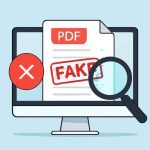
Digital documents often carry hidden signs of tampering that are invisible at first glance. When attempting to detect pdf fraud, begin by examining the file metadata: creation and modification timestamps, author fields, software identifiers and embedded fonts can reveal inconsistencies. If a document claims to be generated by a corporate finance system but lists a consumer PDF editor or contains mismatched timestamps, that is a red flag. Equally important are layering and object inspections—many PDF viewers allow scrutiny of individual page objects, revealing pasted images, hidden annotations or overwritten text objects that indicate manipulation.
Visual inspection remains powerful. Look for inconsistent typography, mismatched alignment, irregular kerning, or unnatural line spacing. Scanned receipts often preserve noise patterns and consistent lighting; if part of a receipt looks unnaturally clean or uses a different resolution, it may have been composited. Pay attention to logos and branding: weak blurring around edges, color mismatches, or logos that don’t scale properly suggest copy-paste operations. For numeric fraud, validate fonts used for totals and tax lines—fraudsters sometimes swap numerals using a different typeface to avoid automated checks.
File structure analysis complements visual checks. Use tools that can parse the PDF object stream, inspect embedded XMP metadata, and report on embedded resources such as images, fonts, and JavaScript. Malicious or altered documents sometimes contain embedded scripts, suspicious links, or external resource calls which can both signal fraud and pose security risks. Machine-based verification—hash comparisons against known-good templates, OCR layer consistency checks and checksum validations—can uncover subtle edits that escape manual review. Combining manual visual review with technical audits significantly increases accuracy when trying to detect fraud in pdf.
Practical workflows, tools, and best practices to detect fake invoices and receipts
Organizations should establish repeatable workflows to reduce exposure to payment fraud. Start with a standardized intake process: require original invoice metadata, a PO number cross-check and supplier verification through a trusted vendor database. When a document arrives, run automated checks—extract text via OCR, parse line items, and validate format against approved invoice templates. Automated systems can flag discrepancies such as unusual invoice numbers, abnormal unit prices, or tax rates that fall outside historical norms. Use detect fake invoice tools integrated into AP systems to automate template matching and anomaly detection.
Cross-referencing is essential. Verify bank account details independently using a directory or by contacting the supplier through previously established contact information (not the numbers on the suspect invoice). Implement multi-person approval for high-value invoices and require confirmation for any change in payment details. For receipts, corroborate purchase dates and transaction IDs against POS logs or card statements. Maintain a repository of verified templates and sample receipts; comparison with suspicious documents is often the fastest way to spot fabrications.
Choose the right tools: a robust PDF analysis toolset should include metadata readers, embedded object inspectors, image forensic analysis, and OCR engines tuned for invoices and receipts. Invest in solutions that can detect copy/paste artifacts, identify inconsistent fonts, and flag suspicious embedded hyperlinks. Regular staff training on social engineering and invoice diversion tactics is crucial—many frauds succeed not because of sophisticated document forgery but due to process gaps and human error. Implementing controls such as vendor onboarding verification, segregated duties, and mandatory confirmation for payment changes dramatically reduces risk and improves the ability to detect fraud invoice attempts early.
Case studies and real-world examples that illustrate detection and mitigation
One mid-sized company received an invoice that matched an expected vendor amount but requested payment to a new bank account. Visual inspection showed the vendor logo looked slightly blurred and the signature block had different spacing. A metadata check revealed the PDF had been created on a consumer editing tool the same day the email arrived. The accounts payable team contacted the vendor using the previously verified supplier contact and uncovered an invoice diversion attempt. This example highlights the importance of verifying payment details outside of the document itself and using both visual and metadata checks to detect fake receipt or invoice fraud.
In another instance, a nonprofit accepted a scanned donation receipt that later proved fraudulent. Forensic image analysis of the receipt exposed inconsistent noise patterns and duplicated pixels across the amount field—clear signs of retouching. OCR output also failed to align with visible numeric characters, raising further suspicion. When compared against archived legitimate receipts, discrepancies in font and spacing were obvious. The organization updated its intake policy to require original transaction IDs from payment processors and added automatic template matching to their review process, preventing repeat incidents.
Large enterprises face targeted attacks where fraudsters recreate supplier templates closely. One successful detection involved automated hashing of approved invoice templates. Incoming invoices that did not match the expected structure—even when visually similar—were quarantined for manual inspection. The combined system of automated template verification, mandatory vendor confirmation for banking changes, and staff training reduced successful invoice fraud attempts by over 80% within a year. For teams seeking an automated starting point, specialized services can help detect fake invoice and flag suspicious documents for deeper forensic review, accelerating response and remediation efforts.