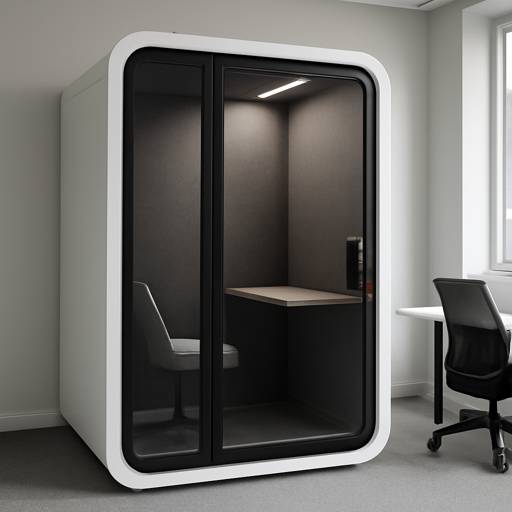
Silence at Work: The Modern Soundproof Office Pod That Powers Focus
ManuelMLymon,
Open-plan offices unlocked collaboration, but they also unleashed a constant hum that erodes attention, privacy, and energy. A well-designed soundproof office pod restores control without sacrificing agility, delivering a quiet, comfortable micro-environment for calls, deep work, and small meetings. When the goal is fewer distractions and more meaningful output, the right pod elevates productivity, protects confidentiality, and helps teams thrive in hybrid schedules. The difference between a stylish booth and a true performance pod is in the details—acoustics, ventilation, ergonomics, and build quality working together as a system.
What Makes a Soundproof Office Pod Actually Quiet?
The word “soundproof” gets used loosely, but genuine acoustic performance is a science-backed balance of isolation and absorption. Isolation blocks sound transmission; absorption tames reverberation inside the pod so speech remains clear and controlled. Look for multilayer wall assemblies that combine mass, decoupling, and damping—such as dense exterior panels, an air gap, and viscoelastic layers that convert vibration to heat. Tight door seals, properly seated thresholds, and double-laminated acoustic glass minimize leaks and flanking paths. While many specs tout STC, real-world privacy also depends on the entire assembly’s NIC and on speech privacy metrics; together, they determine whether outside coworkers hear faint murmurs or nothing at all.
Interior materials matter just as much. High-performing PET or mineral wool liners with strong Noise Reduction Coefficient values prevent echo, ensuring voices remain intelligible at low volume. An over-reverberant booth forces people to speak louder, which defeats the purpose. Thoughtful geometry—non-parallel surfaces, acoustic baffles, and correct placement of absorbers—keeps conversations comfortable. Lighting and ventilation also impact perceived quiet. Whisper-quiet fans tuned below roughly 30–35 dB(A) with labyrinth mufflers deliver fresh air without introducing a hiss. When airflows are balanced with the room volume, users stay alert without crack-open-the-door moments that invite noise back in.
Finally, the structure’s fit and finish determine performance longevity. Precision joinery prevents micro gaps that widen with seasonal changes, and rigid frames resist rattle during door swings. A quality pod uses durable gaskets that don’t compress flat over time, hardware that maintains tension, and glazing that stays true. In practice, the best designs make silence feel effortless: doors that close with a soft seal instead of a slam, materials that feel solid yet warm, and an interior acoustic “calm” that lets users lower their voice and still be heard with crystal clarity. That’s when a pod stops being a piece of furniture and becomes a reliable acoustic instrument.
From Noise to Numbers: ROI, Wellness, and Culture
Silence translates to measurable outcomes. Reducing interruptions even modestly can reclaim significant focus time each week, especially for roles that rely on deep concentration or frequent client communication. When employees can step into a quiet, private space instantly, they avoid scheduling delays and mental context switching. The ripple effects include faster project cycles, fewer meeting-room bottlenecks, higher call quality, and better confidentiality for HR, finance, and legal discussions. Teams report lower stress when they know a pod is available for decompression after intense collaboration—an overlooked benefit that improves morale and reduces burnout risk.
Consider a product design team in a 120-person SaaS company that installed four pods near collaboration zones. Before, designers frequently escaped to stairwells or booked full conference rooms for simple standups, stranding larger groups without space. After, quick huddles moved into pods, freeing meeting rooms for complex sessions. Over a quarter, the team observed faster approval cycles and fewer missed stakeholder calls. A marketing group at a creative agency saw similar gains when two 2-person pods and one solo booth absorbed video calls that previously spilled into open desks, increasing the signal-to-noise ratio across the entire floor.
Flexibility compounds ROI. Pods can move with changing layouts, acquisitions, and headcount swings, sparing costly drywall work and permitting delays. The capital cost spreads across years of reconfigurations, unlike built-in rooms that become stranded assets when plans change. Maintenance is typically minimal—filter changes, surface cleaning, and occasional hardware checks—and downtime can be near zero. For organizations prioritizing brand experience, premium finishes and lighting inside pods elevate visitor and client impressions during demos and negotiations. Melody Furniture focuses exclusively on Cepheus premium office pods, channeling design and engineering resources into this single category. The Cepheus soundproof office pod blends high-grade acoustics with a refined fit and finish, turning quiet into a strategic advantage while reinforcing a polished, modern workplace aesthetic.
Design, Deployment, and Maintenance: Choosing the Right Pod for Hybrid Teams
Right-sizing begins with use cases. Solo “phone-booth” models excel for private calls and heads-down work; 2-person pods support interviews and pair sessions; 3–4 person pods host standups, design reviews, and quick client syncs. Think about meeting duration, device footprint, and accessibility needs. Ergonomic seating plus correct desk heights prevent fatigue for longer sessions, while integrated power—USB-C, AC outlets, and cable management—keeps laptops and lights tidy. Balanced HVAC is essential: consistent, quiet airflow refreshes the interior every few minutes without drafts. Occupancy sensors can trigger lights and fans to save energy while keeping the experience seamless.
Acoustic glazing and door strategies should match your office’s ambient profile. In busier areas, heavier laminated glass, magnetic multi-lip seals, and reinforced frames defend against flanking noise. Flooring solutions—rigid yet damped—prevent footfall resonance and telegraphing. Internally, use high-NRC panels that are fire-rated and low-VOC to protect health and keep air fresh. Lighting should be flicker-free and color-accurate so faces look natural on video, and strategically placed microphones work better when reverberation is controlled. For hybrid teams, calendar integration and occupancy visibility help avoid friction; a quick-glance status light and QR booking connect pods to everyday workflows without new habits to learn.
Practical deployment minimizes disruption. Many premium pods ship flat-packed, assemble in a short window, and require no core drilling, avoiding building permits in most cases. Mobility features—leveling feet and optional casters—allow repositioning as teams shift. A strong warranty, local service coverage, and readily available consumables (filters, gaskets) reduce total cost of ownership. Cleaning protocols should cover glass, antimicrobial laminates, and upholstery with manufacturer-approved products to protect finishes. For sustainability goals, verify recycled content in acoustic cores, FSC-certified wood options, and end-of-life strategies. With a singular focus on quality pods, Cepheus emphasizes materials, joinery, and acoustic tuning that stand up to daily use. When these elements come together, a quiet, comfortable pod becomes a dependable part of the culture—a micro-sanctuary employees trust for clarity, confidence, and calm in the middle of a fast-moving office.