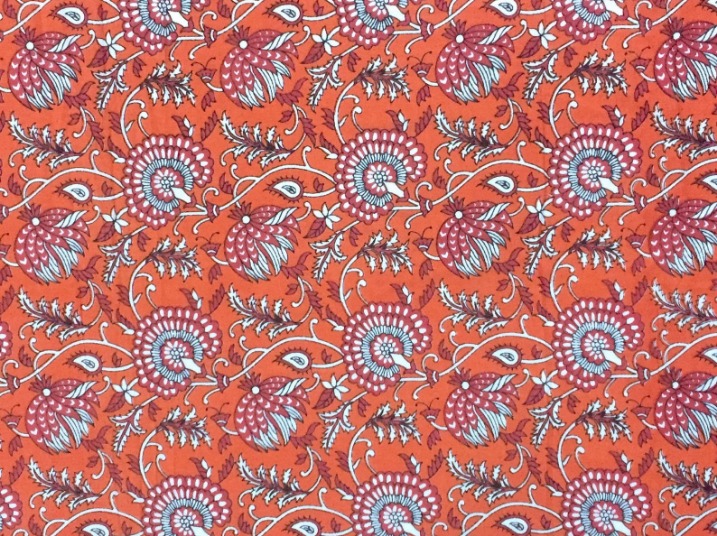
Why Cheap Fabrics Don’t Have to Look or Feel “Cheap”
Many people assume that cheap fabrics automatically mean thin, scratchy materials that fall apart after one wash. In reality, the word cheap often just means more affordable, not lower quality. Modern textile production, global sourcing, and competitive online marketplaces have made it possible to access high-quality fabrics at a fraction of traditional retail prices. The key is understanding fiber content, fabric weight, and construction so you can recognize value when you see it.
The first factor to consider is fiber content. Natural fibers like cotton, linen, and viscose are breathable and comfortable, while synthetics like polyester and nylon add durability, wrinkle resistance, and shape retention. A fabric blend can be both practical and luxurious: for example, a cotton–polyester mix often washes well, resists shrinking, and maintains color. Just because a fabric contains synthetic fibers does not mean it’s poor quality; in many cases, synthetics improve performance and longevity, especially for everyday clothing and home textiles.
Another major indicator of quality is fabric weight and weave. Lightweight voile, chiffon, or lawn are intentionally sheer and delicate, ideal for summer dresses, blouses, and curtains. Medium-weight twill, poplin, and denim provide structure suitable for trousers, jackets, and workwear. Heavyweight canvas or upholstery fabrics offer strength for bags and home decor. Cheap does not equal flimsy—what matters is whether the weight and weave match the garment or project you have in mind. A low-cost cotton poplin can be crisp, tightly woven, and long-lasting when properly constructed.
Dye quality and finishing also play a role. Affordable fabrics can still have rich, saturated colors, smooth finishes, and minimal pilling if they are made with modern dye technology and finishing processes. When browsing, look for phrases like “colorfast,” “mercerized,” or “brushed”; these indicate extra steps taken to improve appearance and feel. A bargain-priced brushed cotton, for instance, can feel soft and cozy enough for luxury bedding.
Finally, economies of scale enable genuine savings. Online retailers often buy large quantities, clearing end-of-line designer rolls, past-season prints, and surplus stock. This surplus drives prices down while keeping quality high. When a brand changes its collection or color palette, leftover bolts may be sold at heavily discounted rates, giving home sewists access to premium cloth at cheap fabrics prices. Understanding these dynamics helps you shop with confidence and recognize real value instead of mistaking every low price for low quality.
Smart Strategies for Buying Fabric Online at a Discount
Shopping for fabric online opens up an enormous range of colors, prints, textures, and fiber blends that may not be available in local stores. However, it also removes the ability to touch and drape the material before buying, so strategic approaches are essential. Start by reading product descriptions in detail. Good online retailers specify width, weight (often in GSM or ounces per square yard), fiber content, stretch percentage, and recommended uses. These details help you picture how the fabric will behave. For example, a 150–160cm wide cotton jersey with 5–10% elastane and medium weight is suitable for T-shirts, dresses, and leggings, while a non-stretch woven linen is better for loose trousers and tops.
Many online stores offer sample swatches at a low cost. Ordering small cuts before committing to multiple meters can prevent expensive mistakes, especially for big projects like wedding garments or upholstery. Swatches allow you to check color accuracy in your own lighting, feel the texture, and test how the fabric washes. When working with complex prints, you can also inspect scale; a floral that looks delicate on screen may have oversized blooms in reality, changing how it suits your pattern.
Timing purchases can significantly reduce the overall cost of discount fabrics. Signing up for newsletters, following social media accounts, and watching for clearance events or seasonal sales are highly effective tactics. Retailers often discount heavy wools and knits as spring approaches, and lightweight cottons or linens as autumn sets in. Planning your sewing calendar around these cycles lets you buy next season’s materials at the lowest prices. End-of-bolt or remnant sections are another hidden treasure, especially when you need only small quantities for children’s clothes, patchwork, or trims.
An effective habit is to keep a running list of fabrics you use most often—perhaps cotton poplin for shirts, ponte knit for workwear, or viscose challis for dresses—and watch for them to go on sale in staple colors. Buying in slightly larger quantities when prices drop allows you to build a versatile stash that can be used for multiple projects. Neutral tones like black, navy, cream, and gray are particularly valuable, as they combine well with bolder prints and colors.
Customer reviews also play a vital role when you cannot handle the cloth directly. Look for feedback that mentions drape, opacity, shrinkage after washing, and whether colors bled or faded. When multiple reviewers confirm that a low-cost fabric feels “soft,” “substantial,” or “luxurious,” that’s a strong sign you’re getting excellent value. By combining careful reading, strategic timing, and user reviews, shopping for cheap fabrics online becomes both economical and reliable.
Real-World Inspiration: Using Discount Fabrics for Fashion, Home, and Craft Projects
Affordable discount fabrics unlock creativity across fashion, home decor, and craft projects, making it possible to experiment without fear of wasting expensive materials. Many independent designers and home sewists deliberately start with cheaper cloth when testing new patterns. Called “toiles” or “muslins,” these practice garments allow adjustments to fit, style, and construction before cutting into premium fabric. By choosing inexpensive yet representative materials—like budget cotton, polycotton, or plain viscose—you can iterate quickly and refine designs. This process leads to better-fitting, more professional-looking final pieces, even when the original investment per meter was low.
In home decor, value-priced curtain and upholstery fabrics make large-scale transformations achievable on modest budgets. Consider a living room makeover: new curtains in a bold printed cotton, cushion covers from a durable jacquard, and a simple throw in soft fleece can completely refresh the space. Buying when items are on clearance or from end-of-line ranges keeps costs down while still delivering a coordinated, designer appearance. Even small fabric accents—like table runners, placemats, and fabric baskets—create cohesion between rooms and offer an easy way to introduce seasonal colors.
Crafters often rely on inexpensive remnants and bundles to power quilting, patchwork, and accessory-making. Scraps from dressmaking projects can become zip pouches, tote bags, hair accessories, or fabric-covered notebooks. Buying mixed packs of printed cottons from Cheap Fabrics and other suppliers gives you an array of coordinating designs at a lower combined price than purchasing each print individually. These small-scale projects are ideal for using up every last piece of cloth, minimizing waste and stretching your budget further.
Real-world examples highlight how fabric online shopping supports sustainable habits. One popular approach is upcycling: turning old curtains into skirts, duvet covers into children’s pajamas, or men’s shirts into summer dresses. By pairing existing textiles with discounted lining, interfacing, or trims, sewists create unique garments that cost a fraction of new retail clothing. This combination of thrifted or repurposed materials and bargain linings or facings results in garments that are both eco-conscious and stylish.
Small businesses also benefit from combining creativity with cheap materials. Market stall owners and online micro-brands frequently begin with limited runs made from discount fabrics to test which designs and sizes sell best. Because material costs remain low, experimentation becomes less risky. Once a particular style proves popular—perhaps a certain printed dress or canvas tote bag—the maker can invest in larger quantities while still preserving healthy profit margins for a handmade product. This practical, iterative approach allows growth without large upfront capital.
The versatility of affordable textiles extends beyond clothing and decor into costume design, theatre, and events. Stage costumes, cosplay outfits, and festival wear must often look dramatic under lights yet withstand heavy use and quick changes. Sturdy but inexpensive polycottons, taffetas, and satins deliver high visual impact while staying within tight budgets. When entire casts need coordinated outfits or entire venues require fabric backdrops and table covers, access to genuinely low-cost yet attractive fabrics makes ambitious creative visions feasible for schools, amateur theatre groups, and community organizations.