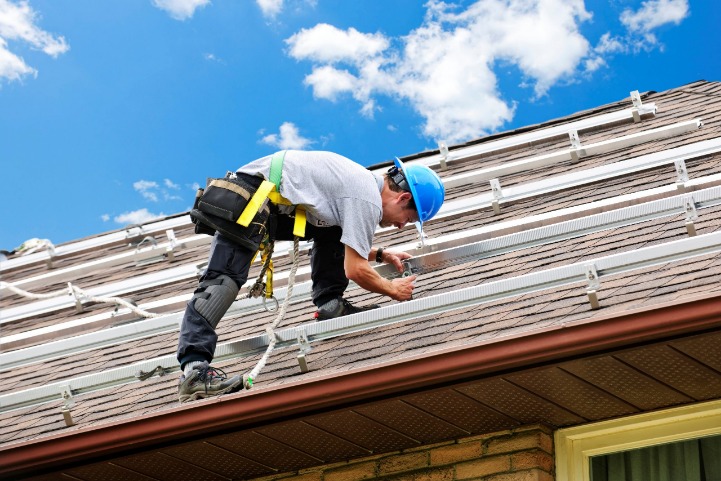
Every homeowner understands that a roof is more than shingles and underlayment; it is the primary defense against weather, pests, and structural damage. When problems appear—whether a slow drip in the attic or missing shingles after a storm—timely action preserves property value and prevents costly interior repairs. Understanding the differences between routine Roof Repair, full Roof Replacement, and professional New Roof Installation helps prioritize needs and budget wisely.
Local context matters as well: climate, seasonal cycles, and regional contractors influence outcomes. For residents seeking trusted services, searching for a reliable Roofer near me or specialists in Roof Repair can shorten response times and improve warranty support. One helpful local resource is Roof Repair North Jersey, which connects homeowners with area-specific expertise and rapid service options.
Deciding Between Roof Repair and Roof Replacement
Choosing repair or replacement starts with a clear roof assessment. Age is often the first indicator: most asphalt shingle roofs last 20–25 years, while high-quality materials and proper ventilation can extend that life. Visible signs that favor Roof Repair include isolated damage—such as a few missing or curled shingles, minor flashing issues, or small spots of granule loss. Timely Roof Leak Repair for localized leaks can stop water intrusion before mold and rot spread to structural elements.
Conversely, extensive wear, widespread shingle failure, persistent leaks in multiple locations, or damaged decking usually point toward Roof Replacement. Replacing the roof makes sense when repairs become recurring expenses or when the roof’s core components—decking, underlayment, flashing—are compromised. A full replacement also offers an opportunity for upgrades: improved ventilation, better insulation, synthetic underlayment for longer life, or switching to metal or architectural shingles for greater durability.
Financial and aesthetic factors also influence the decision. Repair tends to be less expensive up front, but cumulative repair costs over several years can exceed the price of a new roof. Energy savings from improved insulation and modern materials may offset replacement costs over time. Request a documented inspection that details remaining shingle life, structural integrity, and a cost comparison for repair versus replacement to make an informed choice tailored to the home’s condition and the owner’s long-term plans.
How to Choose a Trusted Roofing Company and Prepare for Emergencies
Selecting the right contractor reduces risk and ensures the work meets code and warranty expectations. Prioritize licensed, insured professionals who provide written estimates, clear timelines, and detailed scopes of work. Verify references and recent projects, and confirm that a chosen Roofing Company offers manufacturer-backed warranties on materials plus workmanship guarantees. A transparent contract should specify cleanup responsibilities, permits, and payment milestones.
For homeowners who need immediate assistance, Emergency Roof Repair services can be critical after storms or sudden damage. Emergency responders should secure the property with temporary tarps or boards, document damage for insurance purposes, and schedule permanent repairs promptly. When searching, use targeted queries like Roofer near me alongside terms such as insurance claim assistance, emergency tarping, and 24/7 response to find contractors that specialize in urgent care.
Prepare ahead by keeping emergency contact information accessible, photographing the roof annually, and maintaining basic storm-season readiness: trim overhanging branches, secure loose items that can become projectiles, and ensure gutters are clear to prevent backups. Request a pre-storm inspection if local forecasts predict severe weather. A reliable contractor will advise on temporary measures and long-term fixes, ensuring that emergency interventions are both safe and compliant with local building codes.
Real-World Examples, Maintenance Tips, and Practical Upgrades
Case study 1: A mid-century home experienced slow attic leaks after heavy snowfall. An inspection found ice dams and insufficient attic ventilation. After targeted Roof Leak Repair to the flashing and installation of additional insulation and ridge vents, the homeowner avoided repeated interior damage and reduced heating costs. Lesson: proper attic ventilation and insulation are preventive measures that often eliminate recurring leaks.
Case study 2: A property with widespread granule loss and buckled shingles after hail required a full Roof Replacement. The replacement included upgraded underlayment, impact-resistant shingles, and new flashing. Post-installation inspections revealed improved water shedding and a stronger warranty. Lesson: severe weather damage often justifies replacement, especially when multiple components are compromised.
Case study 3: A homeowner requested a New Roof Installation while planning an exterior remodel. Choosing architectural shingles and adding drip edge flashing improved curb appeal and durability. Coordination between contractors minimized downtime and protected landscaping during installation. Lesson: synchronize roof projects with other exterior work to reduce duplication of effort and expense.
Routine maintenance tips: inspect after storms, clear debris and moss, clean gutters twice yearly, and replace failing flashing promptly. Consider upgrades like synthetic underlayment, enhanced ventilation systems, and ice-and-water shields in vulnerable roof valleys. These investments extend life expectancy, reduce the likelihood of emergency repairs, and improve home comfort year-round.