A dedicated team of passionate professionals cares deeply about hearing health and access to quality services for both children and adults. The vision is to ensure that every person can reach their full potential through effective hearing care. The clinicians are experienced audiologists, registered as full members of the New Zealand Audiological Society (MNZAS), with academic credentials from the University of Auckland and practical experience across multiple clinics in the Auckland region. Extensive work with adults, children, and specialised audiological testing underpins a strong clinical foundation, including roles in clinic management and supervision. As independent audiologists, the focus is on delivering the best quality of care for each individual and family, with clinical decisions and recommendations tailored to what is best for the patient.
Why Professional Ear Wax Removal Matters in Auckland
Impacted cerumen, commonly known as ear wax, can cause hearing reduction, tinnitus, discomfort, and even dizziness. While ear wax is a natural protective substance, excessive accumulation becomes a problem when it blocks the ear canal or interferes with hearing devices. Safe and effective removal requires an understanding of ear anatomy, appropriate instrumentation, and sterile technique. Professional clinics use evidence-based methods such as microsuction, irrigation, and manual removal under magnification to minimize risk and maximize comfort.
Microsuction, in particular, is widely regarded as a gold standard for many patients because it is quick, precise, and avoids introducing fluid into the ear. Trained clinicians perform the procedure using a binocular microscope for visualization and a small suction probe to gently clear the canal. This reduces the chances of canal abrasions or pushing wax deeper. For some cases, especially when the cerumen is soft or the canal is narrow, gentle irrigation may be appropriate, performed with regulated pressure and temperature control to avoid vertigo or pain.
Choosing professional care in Auckland ensures that underlying conditions such as otitis externa, perforated eardrum, or canal eczema are identified and managed appropriately. A comprehensive pre-removal assessment evaluates risks like prior ear surgery, existing perforations, or anticoagulant therapy. Prioritising safety, clinicians will advise on the best removal method and any preparatory steps, such as softening drops, tailored to individual medical history. Highlighting the importance of skilled care, professional removal prevents complications associated with DIY attempts, such as cotton bud impactions or injuries to the tympanic membrane.
Available Services, Techniques, and When to Seek Help
Local audiology services in Auckland provide a range of options for ear wax removal, from simple assessments to advanced microsuction under magnification. Standard service pathways typically start with a detailed case history and otoscopic examination to determine the type, location, and consistency of cerumen. Depending on findings, clinicians recommend a strategy: cerumenolytic drops to soften wax, scheduled microsuction, or careful manual removal with specialised instruments. For children or anxious adults, soothing communication techniques and a calm clinic environment make a considerable difference to the experience.
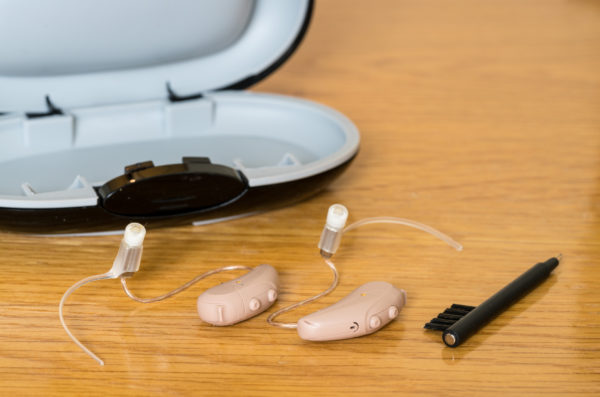
Specific indications for urgent assessment include sudden hearing loss, severe pain, drainage from the ear, or when a hearing aid user experiences device malfunction. For hearing aid users, routine maintenance and timely ear cleaning improve device performance and reduce feedback. Post-removal advice commonly covers canal drying techniques, avoidance of cotton buds, and signs that warrant a follow-up, such as persistent hearing loss, pain, or discharge. Documentation of the procedure and any recommendations ensures continuity of care and supports communication with GPs or ENT specialists if referral is needed.
Accessing reputable services is straightforward, and residents can learn more about local options including scheduling and preparation by visiting resources such as Ear Wax Removal Auckland. Professional clinics often accept walk-ins for simple assessments but recommend booking for microsuction sessions to allow time for assessment, consent, and a careful, comfortable procedure. Pricing, duration, and aftercare vary by clinic, so confirming these details before attending helps set expectations and ensures the best possible outcome.
Case Studies, Prevention, and Practical Aftercare Advice
Case example 1: An adult with progressive hearing reduction in one ear was found to have a complete canal blockage by hardened cerumen. After a brief session of microsuction, hearing returned to baseline with immediate subjective improvement and no complications. The clinician provided advice on preventative measures and scheduled a follow-up hearing check to confirm stability.
Case example 2: A child with recurrent ear discomfort had a history of frequent swimming and intermittent otitis externa. The assessment revealed inflamed canal skin with trapped debris. A combined approach using gentle manual cleaning, topical treatment for the canal inflammation, and behavioural guidance around water exposure led to symptom resolution and reduced recurrence over subsequent months.
Prevention strategies are simple and effective. Avoid inserting cotton buds or small objects into the ear canal; these commonly push wax deeper and increase impaction risk. Use of softening ear drops (as directed by a clinician) can help prevent hard build-up, especially for people with narrow canals or those who produce excess cerumen. For frequent hearing aid users, routine checks and ear cleaning by professionals maintain device function and reduce moisture-related issues.
Aftercare following removal includes keeping the ear dry for 24–48 hours if irrigation was used, monitoring for signs of infection such as increasing pain, discharge, or fever, and avoiding aggressive self-cleaning. If any concerning symptoms arise, prompt reassessment ensures timely management. Documented case outcomes show that combining preventive education with accessible professional services significantly reduces repeat presentations and enhances overall hearing health across age groups.